

keep your blooming shrubs happy!
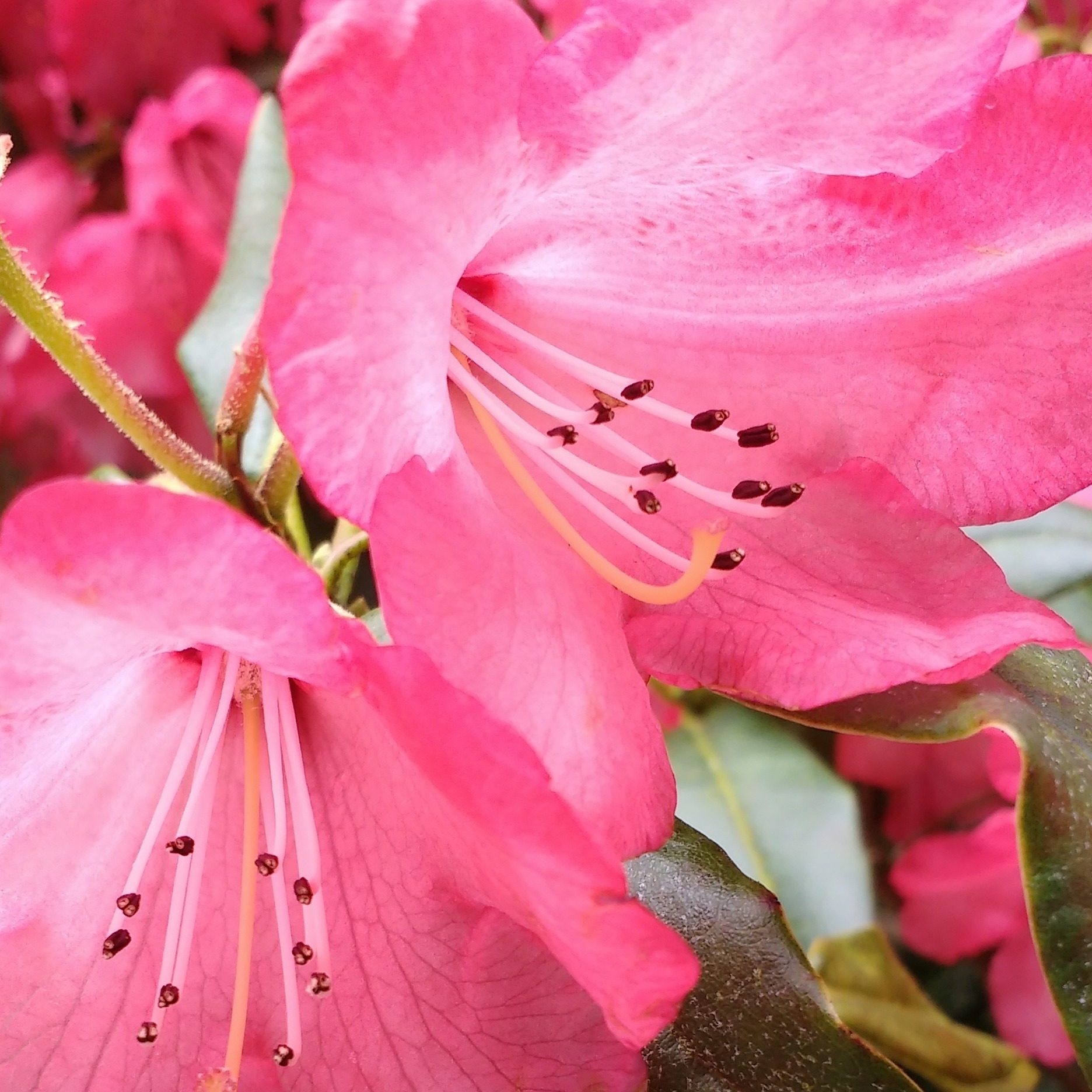
Our care tips for your azalea and rhododendron shrubs will help you keep them looking their best and blooming beautifully!
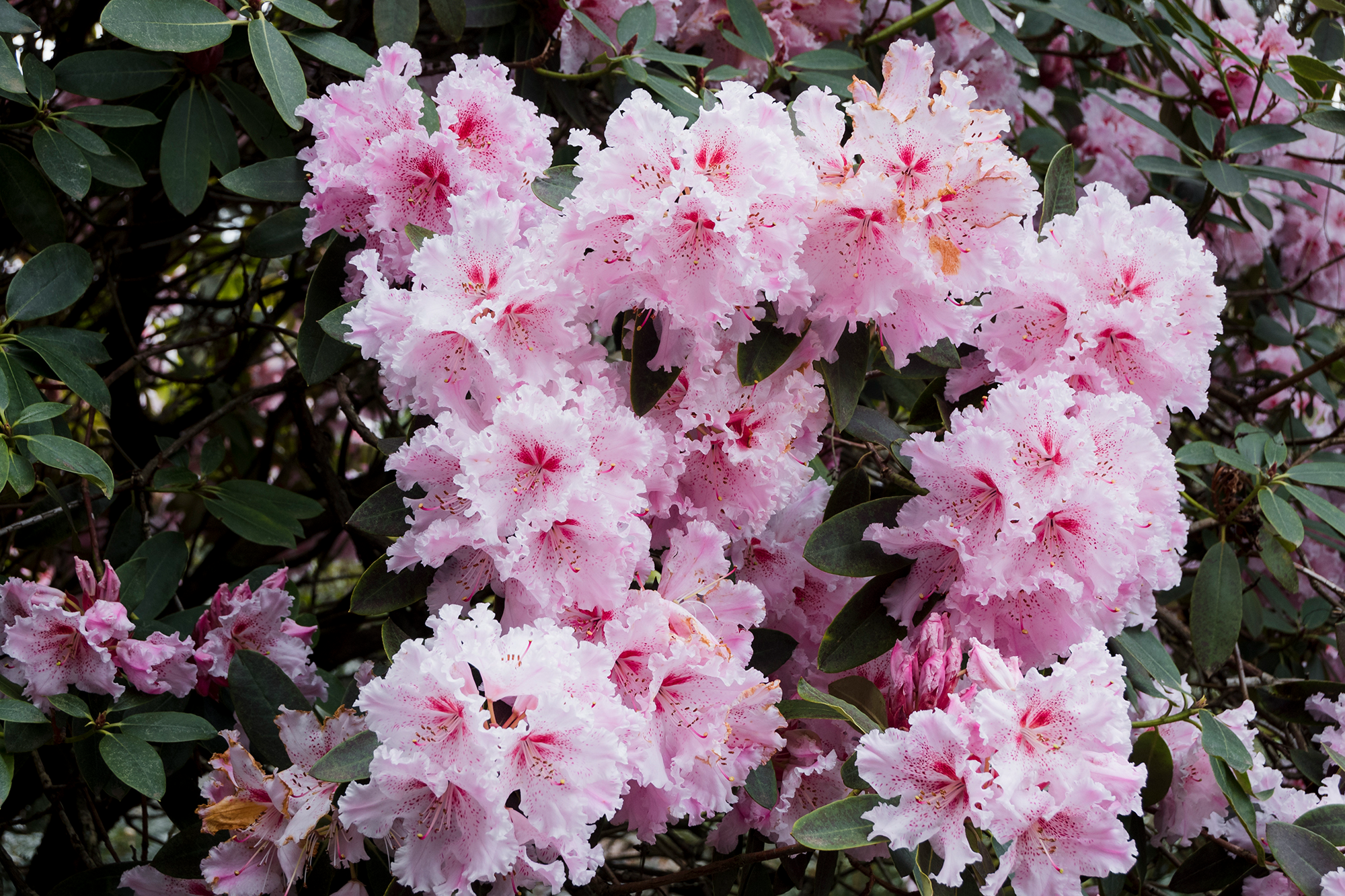
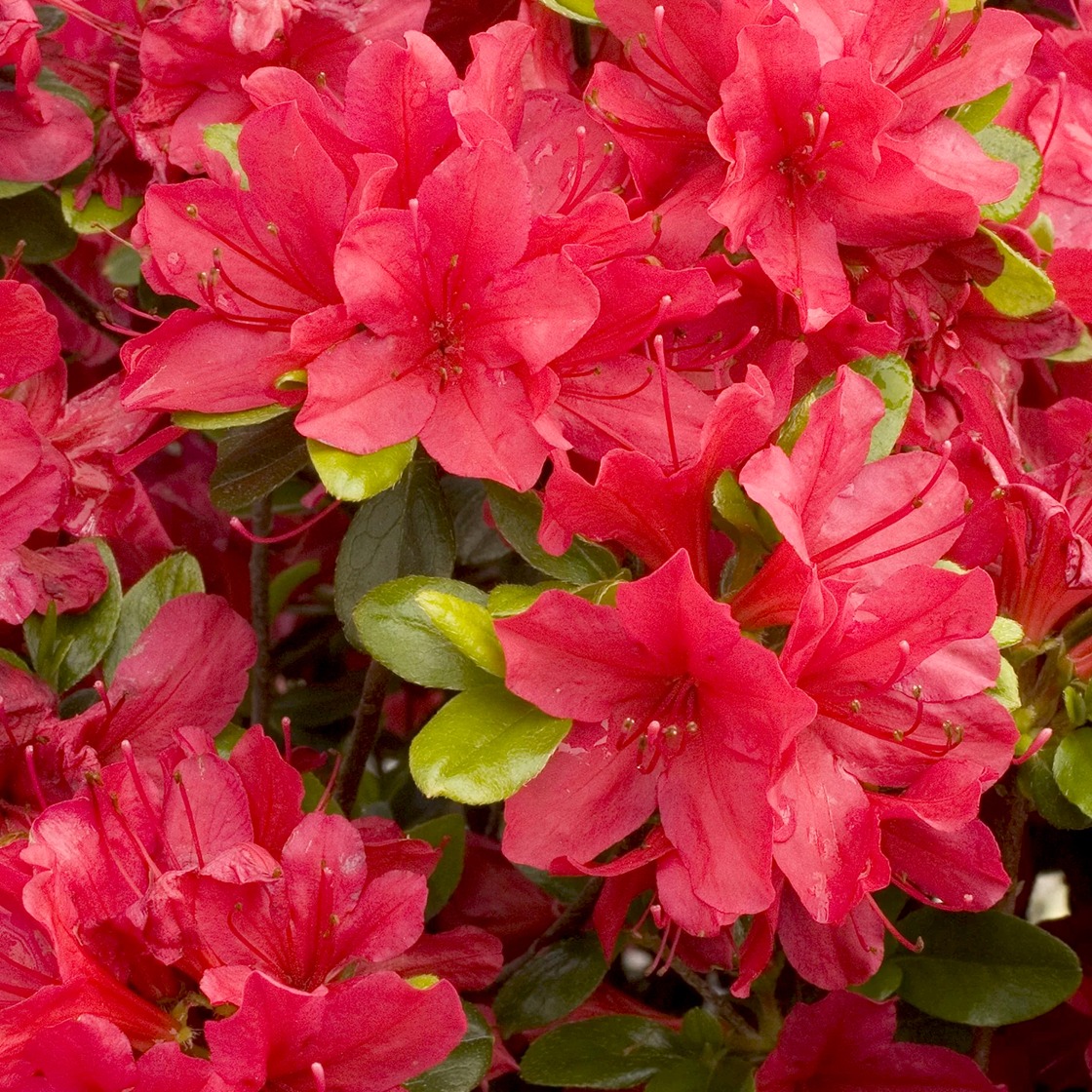
Choosing Your New Shrub
When shopping, look at the estimated size of the mature bush (usually at 10 years old) on the plant’s info card. You can also see what sun requirements they will need.
Tip: If you buy during their blooming season, you can pick the variety with the colour you love most!
Planting Your New Azalea or Rhododendron
Find a spot in your yard or garden that is the right size for your bush. Azaleas are typically more compact while Rhododendrons tend to spread out and can grow up to 10' tall. Make note of how much sun/shade the area receives so you can get the right variety of shrub to thrive in that area.
Tip: Both of these shrubs can grow close to walkways and foundations because of their shallow rootballs. They also thrive in pots with drainage.
Soil Requirements
These shrubs enjoy a slightly acidic soil (4.5-6 pH) that is rich in organic matter. They need regular moisture, so make sure it’s in a spot that is easy to water but also drains well.
Mulching & Fertilizing
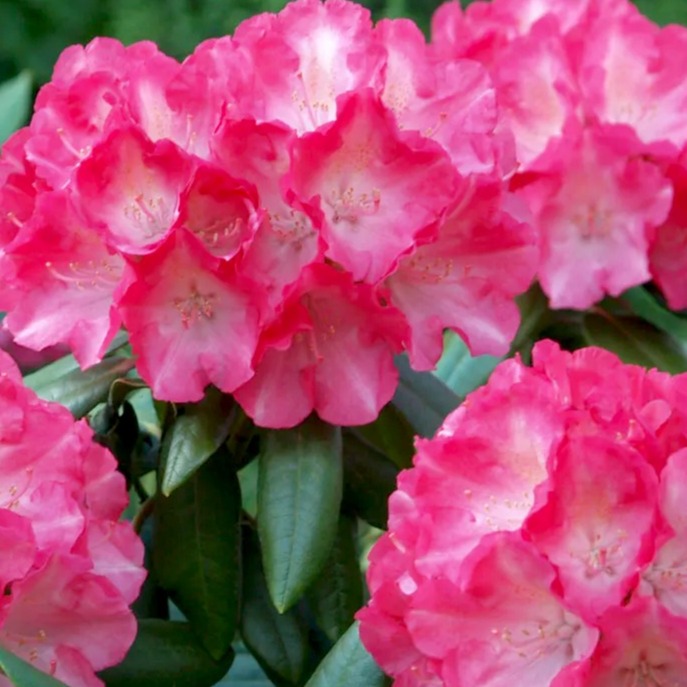
Healthy rhododendrons & azaleas can be fertilized with a regular slow-release variety for general garden use or a specific fertilizer specifically for these shrubs.
These plants love to be mulched with leaf mould, composted wood chips, peat, and pine needles which help keep the soil acidic.
General Care
Deadhead your spent blooms throughout the blooming season to keep them blooming longer and fuller. Be careful! New buds grow underneath the old ones so they must be deadheaded very gently.
Prune your shrub after it is finished blooming for the year. Doing light pruning regularly will keep it a desirable shape and size.
Rake up leaves from underneath your plant to avoid pests & disease. Azaleas and rhododendrons are toxic to people and pets if ingested.
Troubleshooting
Yellowing Leaves
-Soil may be too wet (soggy) or dry (crumbly). It should bounce back when you squeeze a handful.
-PH levels of the soil could be off (should be 4.5-6 pH) and use fertilizer or compost to adjust if needed.
Chew Marks on Leaves
-Often caused by weevils. Make sure to rake all fallen leaves off ground around bush.
-Create ‘weevil traps’ by placing pieces of cardboard or wood near bush—then check them daily and remove any weevils (or slugs) found.
Yellow Blotches on Leaves
-Examine your leaves (top and underneath) for scale and insects. Apply dormant oil spray in winter or very early spring. You can also use Safers’ End-All sprays during other times of the year.
Other Issues?
-Take photos of your bush and its problem spots, bag any sickly leaves or materials, and come to talk to our helpful team at West Coast Gardens!
-You can also bring a soil sample to test.